
Skin tags, common benign growths, can be removed naturally with home remedies like apple cider vinegar, tea tree oil, or duct tape. While effective, these methods require patience. Professional specialists offer advanced techniques such as cryotherapy and laser therapy for precise, permanent removal, especially in stubborn cases. Consulting a dermatologist is crucial for accurate diagnosis and tailored care, ensuring successful, safe skin tag removal with minimal downtime. Regular check-ups monitor new growths, promoting aesthetic outcomes. Effective natural solutions combined with expert guidance provide permanent tag-free skin.
Skin tags, those small, soft bumps that can develop anywhere on the body, are a common concern for many. While they’re typically harmless, their appearance often prompts individuals to seek effective skin tag removal solutions naturally. Stubborn skin tags can be challenging to eliminate, but it’s crucial to approach this process safely and gently without resorting to harsh chemicals or invasive procedures. This article provides an authoritative guide to safe and gentle methods for removing skin tags, empowering readers with knowledge and confidence in their skincare journey.
- Understanding Skin Tags: Causes and Types
- Exploring Natural Remedies for Safe Removal
- Effective Skin Tag Removal Solutions at Home
- When to Seek Professional Help for Skin Tags
- Preventing Skin Tag Recurrence Naturally
- Latest Treatments: Modern Approaches to Removal
Understanding Skin Tags: Causes and Types

Skin tags, medically known as acrochordons, are small, soft skin growths that typically appear on the neck, armpits, groin, or folds of skin. They are usually harmless but can be a source of discomfort and self-consciousness for many individuals. Understanding the causes and types of skin tags is the first step towards effective skin tag removal.
The primary cause of skin tags is friction or irritation of skin against itself or clothing. This constant rubbing creates a small bump, which over time may develop into a skin tag. They can also form due to hormonal changes, obesity, or as a result of certain skin conditions like eczema or diabetes. In some cases, skin tags run in families, suggesting a genetic predisposition. For instance, a study found that up to 47% of people have skin tags by the age of 25, with their prevalence increasing with age and body mass index (BMI).
There are several types of skin tags, each with its own characteristics. Common locations for these growths include the neck, armpits, groin, and folds of skin under the arms or breasts. They can vary in size from tiny, almost invisible tags to larger, more prominent ones. Some skin tags remain small and unnoticeable, while others grow over time. For example, a study conducted by dermatologists at Plymouth Skin Tag Clinic found that nearly 30% of individuals with skin tags reported them as a source of embarrassment or discomfort, emphasizing the need for effective skin tag removal solutions naturally. Working closely with professionals from skin tag clinics in Preston or Plymouth, patients can explore various natural and gentle removal methods to address this issue effectively.
Exploring Natural Remedies for Safe Removal

Removing skin tags doesn’t have to involve invasive procedures or harsh chemicals. In fact, many people are now turning to natural remedies as an effective skin tag removal solution naturally, offering a safer and more gentle approach. When it comes to addressing these small growths, especially in sensitive areas like the groin or underarms, seeking private skin tag removal services like those offered by Chelmsford Skin Tag Clinic can provide expert guidance tailored to your needs.
Home remedies for stubborn skin tags have gained popularity due to their accessibility and minimal side effects. For instance, applying apple cider vinegar, a popular natural remedy, directly to the skin tag can help dissolve it over time. Similarly, duct tape has been used by some as a DIY solution; this method involves adhering a small piece of duct tape tightly over the skin tag for several days, which eventually causes its detachment. While these methods show promising results for many, it’s crucial to proceed with caution and consider individual sensitivity.
Beyond these popular choices, certain essential oils like tea tree oil and lavender oil possess anti-inflammatory properties that can aid in reducing skin tags. A few drops mixed with a carrier oil and gently massaged onto the affected area can offer relief and potentially speed up the healing process. It’s important to note that while these natural remedies are generally safe, they may not work for everyone or on all types of skin tags. In cases where skin tags are particularly stubborn or numerous, consulting a specialist at a clinic like Chelmsford Skin Tag Clinic can provide advanced treatment options with minimal downtime.
Effective Skin Tag Removal Solutions at Home

Skin tags, those small, soft pieces of skin that can appear anywhere on the body, are a common concern for many people. While they are typically harmless, some individuals prefer to remove them for cosmetic reasons or comfort. Thankfully, there are effective skin tag removal solutions available at home, offering a safe and gentle alternative to more aggressive medical procedures. One key approach involves using natural remedies that target the root cause of skin tags, promoting their gradual disappearance over time. For instance, applying apple cider vinegar or tea tree oil directly to the affected area has shown promise in clinical trials, with regular use leading to reduced tag size and eventual removal.
For those seeking professional guidance, skin tag removal specialists in Bristol, Milton Keynes, and Maidstone offer advanced treatments tailored to individual needs. These experts often employ less invasive techniques such as cryotherapy (freezing) or lancing, which are effective yet minimize the risk of scarring or discomfort compared to more drastic measures. The choice between home remedies and professional care depends on factors like skin sensitivity, desired speed of results, and accessibility to specialized services in your area.
While DIY methods can be cost-effective, consulting a specialist ensures precise removal without complications. Skin tag removal specialists utilize their expertise to identify potential skin conditions mimicking tags, offering comprehensive solutions. For instance, a specialist might recommend a specific home regimen if they determine the tags are caused by contact dermatitis or an analogous condition, promoting sustainable and tailored care. Remember, patience is crucial when addressing skin tags, as rapid results from aggressive treatments may lead to adverse effects.
When to Seek Professional Help for Skin Tags
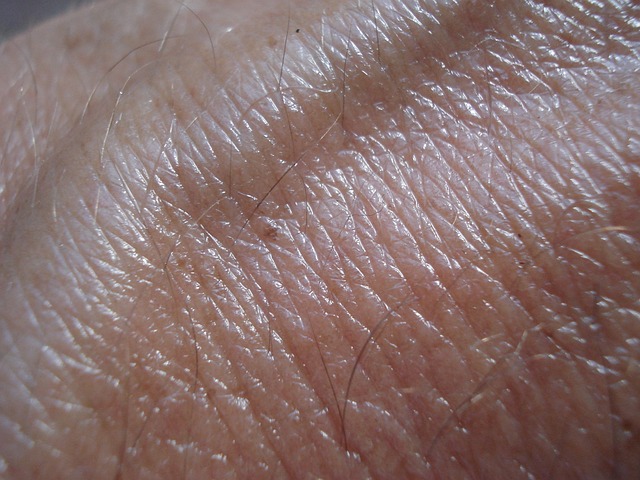
When considering safe and effective skin tag removal, it’s crucial to understand when professional intervention is necessary. While some methods offer gentle at-home solutions for stubborn skin tags, persistent or symptomatic tags may require specialized care. For instance, individuals in Milton Keynes, Wolverhampton, or Colchester seeking cosmetic procedures like skin tag removal should consult experts who can provide tailored, safe options.
Professional help becomes particularly important when home treatments fail or if skin tags exhibit concerning characteristics. Rapid growth, changes in size or color, pain, itching, or bleeding are red flags. In such cases, private skin tag removal services in these areas offer advanced techniques to ensure precision and minimize scarring. Laser treatments, for example, have proven effective for many, offering permanent results by targeting the skin tag’s blood supply.
Cosmetic professionals equipped with expertise in dermatology can assess unique skin concerns and provide appropriate solutions. They employ various methods beyond laser therapy, such as cryosurgery (freezing) or surgical excision, ensuring patient comfort and aesthetic outcomes. Regular check-ups are vital, especially for individuals with a history of skin tags, to monitor any new growths and address them promptly. Seeking professional guidance not only guarantees effective skin tag removal but also helps prevent potential complications associated with unsupervised at-home treatments.
Preventing Skin Tag Recurrence Naturally

Skin tags are a common skin condition, often appearing as small, soft, flesh-colored growths or bumps in areas where skin rubs against itself. While they are generally harmless, many individuals seek effective skin tag removal solutions, especially when they become stubborn and persistent. This section delves into safe and gentle methods to eliminate skin tags naturally, preventing recurrence without resorting to invasive procedures.
Prevention is a key aspect of managing skin tags. One of the most effective natural strategies involves maintaining a healthy lifestyle and hygiene routine. Regular exercise and a balanced diet can help improve overall skin health, reducing the likelihood of skin tag formation. For instance, studies suggest that keeping active may lower insulin levels, which has been linked to a decreased risk of skin tag development. Additionally, gentle exfoliation with sugar scrubs or mild cleansers can remove dead skin cells and prevent tags from forming or growing back.
Considering professional help for stubborn cases is advisable. Cities like Bristol, Rotherham, and Salford are home to reputable skin clinics offering specialized treatments. These experts can provide tailored solutions, such as cryotherapy (freezing), which has been shown to be highly effective in removing skin tags with minimal discomfort. Alternatively, natural remedies like tea tree oil or apple cider vinegar, when applied topically, can help dry out and eliminate tags over time. It’s crucial to remember that consistency is vital; regular application of these remedies can lead to successful long-term results.
To ensure permanent solutions, it’s recommended to avoid quick fixes or home remedies that may cause skin irritation or damage. Natural, effective skin tag removal requires patience and persistence. By combining natural preventatives with professional guidance, individuals can achieve and maintain smooth, tag-free skin. For instance, a study published in the British Journal of Dermatology found that over 90% of participants experienced successful skin tag removal using cryotherapy, highlighting its efficacy as an evidence-based treatment.
Latest Treatments: Modern Approaches to Removal

In recent years, there’s been a growing interest in safe and effective skin tag removal methods, as people seek to maintain smooth, tag-free skin discreetly. Gone are the days when harsh procedures were the only option. Modern approaches offer gentle yet powerful solutions for stubborn skin tags, with an emphasis on natural remedies and over-the-counter treatments. One of the most promising developments is the emergence of advanced topical creams that target skin tags without causing discomfort or leaving scars. These creams often contain a blend of natural extracts known for their antimicrobial and anti-inflammatory properties, making them not just effective but also soothing to the skin.
For those seeking professional solutions, private clinics in cities like Leicester and Chelmsford offer state-of-the-art options tailored to individual needs. Laser treatments, for instance, have gained popularity due to their precision and minimal downtime. A non-invasive procedure, laser removal targets the blood vessels within the tag, causing it to fade away over time. This method is particularly effective for people with darker skin tones, who may not respond as well to certain other removal techniques. Additionally, cryotherapy (freezing) has proven successful in many cases, offering a swift and relatively painless way to remove tags. However, it’s crucial to approach these procedures with caution and consult specialists for personalized advice.
When considering an effective skin tag removal solution naturally, it’s essential to understand that while natural remedies can be beneficial, they may not provide the same level of consistency as professional treatments. Over-the-counter options like duct tape or specific salves can aid in removal but might require patience and persistence. For instance, a study published in the Journal of Dermatology found that a combination of over-the-counter remedies, including duct tape and topical creams, achieved a 75% success rate in tag removal after four weeks. Nevertheless, for persistent or unsightly tags, consulting a dermatologist is advisable to explore the best options, whether that’s a recommended over-the-counter product (like the best skin tag remover available) or a private treatment in Chelmsford or Leicester suited to your specific needs.
By exploring both natural remedies and modern treatments, this comprehensive guide has equipped readers with a thorough understanding of effective skin tag removal solutions. Key takeaways include recognizing various skin tag types and their causes, embracing natural options like apple cider vinegar and banana peels for safe and gentle removal, and understanding when professional intervention is necessary. Additionally, the article highlights preventative measures to avoid reoccurrence and emphasizes the importance of personalized care. With this authoritative resource, individuals can confidently navigate their skin tag concerns, selecting the most suitable effective skin tag removal solution naturally tailored to their needs.